Drive the Bulldozer: AI, Recruitment and the U.S. Market

Drive the Bulldozer: AI, Recruitment and the U.S. Market
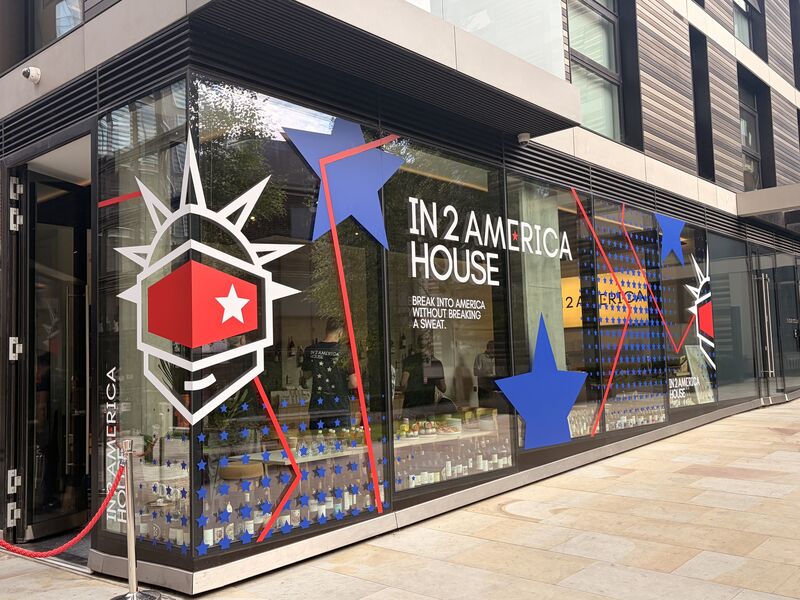
Recruitment is the function most exposed to AI and the one where the human element is hardest to replace. That made for an unusually candid panel at In2America House.
Chaired by Nick Barton, founder of The Barton Partnership, it brought together Brad Rose, Co-founder of Chapter Two in the U.S.; Robynne McPadden, Head of Partnerships at TwentyAI, who supports our In2America brand; and Sam Coope, Founding Engineer at the AI recruitment company Jack and Jill.
Drive it, or be driven over
Brad borrowed a line from Chapter Two’s investor, Steven Bartlett, that framed the whole session. “Do you want to be bulldozed, or do you want to drive the bulldozer?” The gap he sees daily is between recruiters building their own agents and recruiters who think using AI means rewriting a candidate email. In a role where curiosity is the strongest signal, the incurious will be left in the dust.
What survives is taste
“Recruitment is a sales function,” Robynne said, and understanding what makes a candidate tick is not something AI does well yet. Sam, who builds the technology, was honest about its trajectory: the most successful people using these tools will find themselves “a glorified middle manager,” directing agents rather than doing the work. The moat is taste. The recruiters who reach for Perplexity or Claude to do their market mapping have handed the client something the client could have done themselves.
That sameness is a real commercial risk. “I can tell when someone’s used Claude Design,” Brad said, “same font, same layout, same vibe.” Robynne’s answer to it, and the one that won her a competitive pitch, was refreshingly analogue: “blood, sweat and tears,” daily check-ins, humans talking to humans, an interrogation of the data rather than blind trust in it.
The U.S. is a different animal
Robynne, eight years in the American market, described the cultural inversion British firms get wrong. “Here you talk about the weather for five minutes,” she said. “In the U.S. they want to know, is it valuable for us to continue this conversation?” The market is more transactional, employment is at-will, and customer service is expected at a premium.
Brad found the openness liberating. “People give you a shot. And they’ll get you out the door quick if you don’t do a great job.” Speed is the currency, and he is moving to the States precisely because the West Coast cannot be served from a UK time zone.
Where firms fail
Robynne put failure down to people, and to decision-makers not spending enough time in market. She told the story, from her own company’s early New York days, of health cover so poor the team joked you had to crawl above 14th Street before you could call an ambulance. Local nuance runs deep: her New York team celebrates on a rooftop, Charlotte goes white-water rafting, Austin wants a steak and a shooting range. The goal is the same everywhere. The how is not.
Where to build, and what comes next
Beyond the obvious cities, the panel pointed to Denver, with its active economic development corporations, and Raleigh, part of North Carolina’s research triangle. Miami came up as a portal to Latin America. There was a warning about intensity too: Brad has had New York clients ask whether his embedded recruiters will work 996, nine to nine, six days a week.
Looking forward, the panel expected AI to hollow out graduate and mid-level hiring and to reward blended, T-shaped profiles that are hard to test for. On one point Brad and Robynne were certain: talent remains the single most important function in any business.
If you don’t drive the bulldozer, you will be bulldozed.
Work with In2America
Getting talent right is the hardest part of U.S. expansion, and the point at which most companies stumble. In2America helps international businesses hire in the U.S. at the right time and with the right structure, from hire #1 to hire #10. If you are building a U.S. team, talk to us.