Book the Ticket: Lessons From Our U.S. Go-To-Market Masterclass

Book the Ticket: Lessons From Our U.S. Go-To-Market Masterclass
Most founders know the U.S. is the market that can change the trajectory of a company. Fewer appreciate how different the game becomes once you land, and how much of the advantage goes to the people who commit before they feel ready.
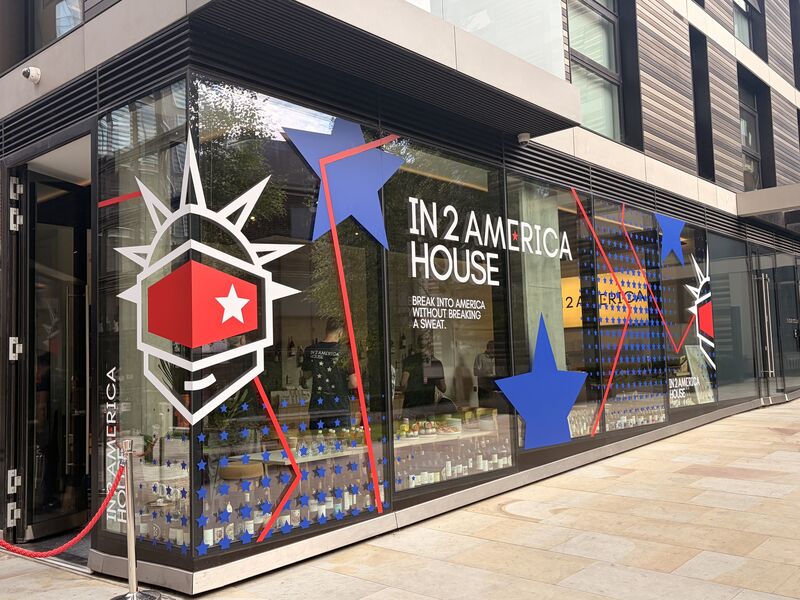
Our go-to-Marcet masterclass at In2America House brought together three people who have lived that from different sides of the table. Paul Webster, Director of International at Oury Clark, chaired. Alongside him were Matt Oxley, who built the B2B SaaS company Opal in America and now advises founders through USXP, and Marc Cohen, from unbundled vc which backs European founders targeting America.
You are never quite ready
Marc took apart the question most founders start with. “I’m not sure any business is actually ready,” he said. “If you wait until you’re ready, you’re probably doing it too late.” Matt put it more bluntly: “Everybody asks when they should go. I say, book the bloody ticket.”
You cannot make this decision from behind a desk in London. Marc’s own market entry began with flights booked before he had a single meeting in the diary. He stayed three and a half weeks and met 38 funds. Three weeks on the ground, both agreed, teaches a founder more about fit than months of research.
The hustle is cultural, not optional
Matt’s sharpest point was about temperament. He described watching his children go through American kindergarten, “comparing their pencil against everybody else’s” at five years old, already selling. The mistake European founders make is meeting that energy with an apology. His fix was to find “the American version of you,” the same founder with the volume turned up.
Marc made the same point to investors. Conservative revenue projections do not land as realistic, they land as unambitious. He wants a U.S. deck, not a European one lightly edited.
Build the machine before you hire the closer
The most useful warning of the session was about the first sales hire. Founders get seduced by the operator who “sold four million dollars of software for SAP last year.” Nobody asks why. The answer is almost always a machine that generated the leads while they closed. The order is founder-led sales first, because only the founder can do what Matt called founder-led translation, reading the market and reshaping the product in real time. Build the engine, then hire the closer.
It does not have to be San Francisco
Matt runs a simple test with founders: five minutes to convince him why they should move to San Francisco. Roughly three in a hundred manage it. The overlooked lever is economic development. In McKinney, Texas, a slice of local sales tax funds an agency that will hand an incoming company a free landing pad, up to fifty thousand dollars for two people on the ground, and a matched corporate pilot. None of that is a rounding error against the raw numbers Paul put on the table:
U.S. salaries run 30 to 50 per cent higher and customer acquisition costs roughly double.
Raising in America is a long relationship
What an investor is really underwriting is the person. “Your job as a founder is to de-risk it,” Marc said, and to make the opportunity easy for someone who does not know your market. And once the money is in, the relationship is long. “You’re taking their money,” Matt said. “That’s probably a 10-year relationship. It’s longer than most marriages.”
Work with In2America
Expanding into America is a high-stakes, often lonely decision, and the founders who succeed are usually the ones who got on the plane early and had trusted guidance at the right moment. That is the gap In2America exists to close. If you are planning your U.S. go-to-market, talk to us.